

Wellness Benefits by Cannabinoid:
Mood, Calming, Sleep, Pain Relief, Energy & More
The Science of Natural Wellness: How Cannabinoids Work in Your Body
Natural Wellness, Powered by Cannabinoids
Discover how CBD, CBN, THCV and more target your specific needs; mood, energy, sleep, and comfort.

See the clinical evidence behind natural mood support, calming, restorative sleep, pain relief, and sustained energy.
Your body has its own regulatory system called the endocannabinoid system (ECS), responsible for maintaining balance across mood, stress, pain, sleep, and energy. Think of it as your body’s internal tuning system—when it’s functioning optimally, you feel calm, focused, and energized. When it’s out of balance, you experience anxiety, poor sleep, discomfort, and fatigue.
Hemp-derived cannabinoids work with your ECS, not against it. Unlike pharmaceutical interventions that often override your body’s natural processes, cannabinoids gently support and enhance what your body already does. The breakthrough insight from decades of research: different cannabinoids target different aspects of wellness—and when combined strategically, they create synergistic effects far more powerful than any single compound alone.
This is where modern cannabinoid science meets precision wellness. Let’s explore how each major cannabinoid delivers specific, measurable benefits backed by clinical evidence.
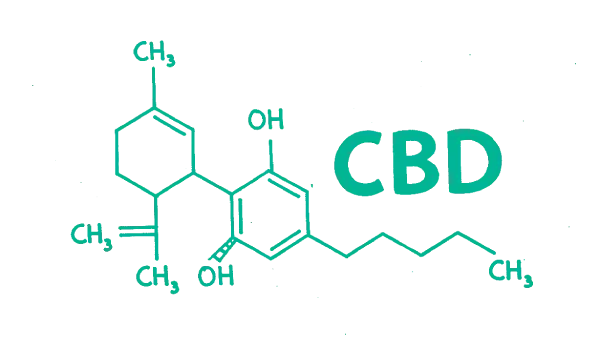
CBD (Cannabidiol):
The Mood & Anxiety Foundation
What It Does: CBD is the most extensively studied cannabinoid, and for good reason. It’s recognized across clinical practice for its role in emotional balance, anxiety relief, and overall wellness stabilization.
The Clinical Evidence: Recent meta-analysis of clinical trials demonstrates CBD’s substantial impact on anxiety, with researchers confirming a significant effect size (Hedges’ g = -0.92) across multiple anxiety disorders. A large case series of 72 patients showed that 79.2% experienced meaningful anxiety improvement within the first month of CBD use, with benefits sustained over extended treatment. For social anxiety disorder specifically, neuroimaging studies reveal that CBD reduces amygdala activation and normalizes prefrontal-amygdala connectivity—the exact brain regions hyperactive during anxiety.
How It Works: CBD doesn’t directly bind to your brain’s CB1 receptors like THC does. Instead, it prevents the breakdown of your body’s own natural calming compounds, allowing them to remain active longer. This mechanism explains why CBD produces calming effects without intoxication or dependence risk—and why it shows no anxiogenic (anxiety-producing) effects even at higher doses, a key advantage over other anxiety treatments.
Research-Backed Dosing: Clinical studies establishing efficacy used 300–600mg doses for anxiety relief. The therapeutic window is well-established: lower doses (100-200mg) provide gentle daily support, while 300-600mg targets clinical anxiety patterns.
Best For:
- Generalized anxiety disorder and social anxiety
- Stress management and emotional resilience
- Daily mood stabilization and balance
- Sleep quality (secondary benefit)
- Skin wellness and inflammatory conditions
Product Examples: Formulations typically feature 20-30mg CBD per serving for daily use; therapeutic applications often use 50mg+ servings.
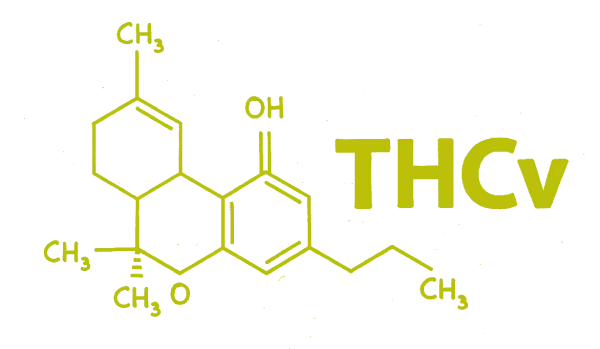
THCV (Tetrahydrocannabivarin):
The Energy & Focus Cannabinoid
What It Does: THCV is fundamentally different from THC despite their similar names. Where THC creates intoxication, THCV creates laser-focused energy, mental clarity, and sustained motivation—without the jitteriness of caffeine or the anxiety often accompanying high-stimulant products.
The Clinical Evidence: A direct-to-consumer clinical trial (NCT06213064) specifically investigated THCV’s effects on energy, focus, and motivation in healthy adults. User reports consistently documented enhanced mental clarity, sharper concentration, and reduced mental fog. Metabolic research published in peer-reviewed journals shows THCV improves glucose metabolism and insulin sensitivity, with animal models demonstrating 31.1% fat reduction in THCV-treated groups versus 42.1% in controls.
Equally compelling: an Arizona clinical trial with 125 subjects over 90 days found that 88% of participants reported improved ability to relax while maintaining high energy—the “calm activation” that defines productive focus.
How It Works: THCV has a dual mechanism depending on dosage. At lower doses (below 10mg), it acts as a CB1 receptor antagonist, blocking appetite signals and increasing energy expenditure. At higher doses (above 20mg), it becomes a partial agonist, creating mild uplifting effects while maintaining mental clarity and focus. This dose-dependent flexibility makes THCV uniquely valuable for formulations targeting specific outcomes.
Research-Backed Dosing: Typical therapeutic range: 5–10mg per serving for daytime energy. Importantly: THCV should be taken in morning or midday hours only, as its energizing nature can interfere with sleep if taken in evening.
Best For:
- Morning motivation and mental clarity
- Pre-workout energy and endurance support
- Afternoon focus and productivity recovery
- Appetite regulation and metabolic health
- Active individuals seeking performance enhancement
Product Examples: Typically formulated at 10mg THCV per serving; often combined with CBG (30mg) for balanced, sustained energy without stimulant crash.

CBN (Cannabinol):
The Sleep Architecture Optimizer
What It Does: CBN naturally forms as hemp ages and is the only minor cannabinoid with active human clinical trials specifically investigating sleep disorders. Unlike pharmaceutical sleep medications that force sedation, CBN supports your body’s natural sleep signals, promoting restorative deep sleep.
The Clinical Evidence: The University of Sydney Lambert Initiative published breakthrough findings showing CBN increases both REM and non-REM sleep stages, with objective polysomnography measurements confirming extended sleep duration and improved sleep stability. A double-blind placebo-controlled trial found that 20mg CBN significantly reduced the number of nighttime awakenings and overall sleep disturbance compared to placebo, without next-day grogginess.
An active clinical trial protocol published in BMJ Open (NCT05344170) is currently investigating 30mg and 300mg doses of CBN in patients with diagnosed insomnia—indicating serious scientific and clinical interest in CBN as a practical sleep therapeutic.
How It Works: CBN interacts with your endocannabinoid system to promote relaxation and signal to your body that rest is appropriate. Its CB1 receptor agonism is approximately 10 times less potent than THC, resulting in minimal intoxication while maintaining robust sleep-promoting effects. Interestingly, CBN’s major metabolite (11-OH-CBN) may contribute equally or more to sleep effects than the parent molecule itself, providing sustained support throughout the night.
Research-Backed Dosing: Clinical evidence supports 20-30mg as the therapeutic dose for sleep support. Some protocols investigate higher doses (300mg), though 20-25mg demonstrates consistent efficacy with minimal tolerance development.
Best For:
- Insomnia and sleep-onset difficulties
- Poor sleep quality and frequent nighttime awakenings
- Aging adults with age-related sleep decline
- Post-stress sleep recovery
- Deep, restorative rest without morning hangover
Product Examples: Typically 20-30mg CBN per serving; often formulated with CBD (25mg) for enhanced sleep architecture support.

THC (Delta-9):
The Pain & Comfort Specialist
What It Does: While THC is known for producing intoxication at high doses, research demonstrates that low-to-moderate doses provide significant relief for chronic pain, neuropathic pain, and muscle tension—without requiring psychoactive effects.
The Clinical Evidence: Multiple randomized controlled trials document THC’s efficacy for pain management across diverse conditions. For neuropathic pain, THC shows dose-dependent pain relief with research confirming approximately 1 in 5-6 patients achieving clinically meaningful pain reduction. In multiple sclerosis, THC and THC:CBD combinations reduce both pain and spasticity by 60-61% versus 46% in placebo groups.
Rheumatoid arthritis studies using THC:CBD combinations (nabiximol spray) showed significant pain reduction on movement and at rest compared to placebo, with favorable tolerability profiles. Notably, THC combinations with CBD consistently outperform THC monotherapy, suggesting powerful synergistic effects.
How It Works: THC activates CB1 and CB2 receptors throughout the nervous system and immune tissues. This receptor activation modulates pain signal transmission, reduces inflammatory cytokine production, and promotes muscle relaxation. The combination with CBD appears to buffer potential anxiety or discomfort that high-dose THC alone might produce, while enhancing analgesic efficacy.
Research-Backed Dosing: Effective pain relief typically requires 10-20mg THC daily, often divided into multiple doses. Titration protocols start lower (2-5mg) and increase gradually based on individual response.
Best For:
- Neuropathic pain and nerve-related discomfort
- Muscle tension and spasticity
- Post-surgical pain management
- Chronic pain from arthritis, MS, and similar conditions
- Pain relief without addiction risk (unlike opioids)
Product Examples: Typically 10mg Delta-9 THC combined with 20mg CBD per serving for balanced pain relief; formulated at servings suitable for titration.

CBC (Cannabichromene):
The Anti-Inflammatory Emerging Star
What It Does: CBC is the breakthrough minor cannabinoid. A landmark 2024 clinical trial involving over 1,600 participants demonstrated that CBC combined with CBD produced clinically meaningful improvements in pain, anxiety, and overall quality of life—rivaling dedicated single-cannabinoid products.
The Clinical Evidence: CBC’s anti-inflammatory mechanism is now well-characterized in both cell culture and animal models. Research shows CBC reduces inflammatory markers including iNOS, IL-1β, IL-6, and TNF-α while suppressing NF-kB and MAPK pathways—the exact molecular targets of pharmaceutical anti-inflammatory drugs. The 2024 clinical trial established that 40mg CBD + 20mg CBC was particularly effective for moderate pain management.
Critically, CBC + CBD combinations produce greater anti-inflammatory effects than either compound alone, indicating true synergy rather than simple additive effects. CBC also demonstrates pain relief in inflammatory and neuropathic pain models at doses around 20mg.
How It Works: Unlike CBD and THC, CBC appears to work through mechanisms largely independent of traditional CB1 and CB2 receptors. Instead, CBC likely activates TRPA1 channels and other non-cannabinoid pathways, making it a unique complement to classic cannabinoids. This multi-target approach explains its robust anti-inflammatory effects without the CB receptor saturation concerns of other compounds.
Research-Backed Dosing: The clinically validated dose is 20mg CBC combined with 40mg CBD. Emerging evidence suggests 15-25mg CBC per serving provides anti-inflammatory support.
Best For:
- Inflammatory response support
- Joint and muscle comfort (especially with CBD)
- Mood enhancement through inflammation reduction
- Complementary support for chronic inflammatory conditions
- Anti-inflammatory skincare
Product Examples: Typically formulated at 10-20mg CBC combined with 20mg CBD and additional cannabinoids for comprehensive anti-inflammatory synergy.
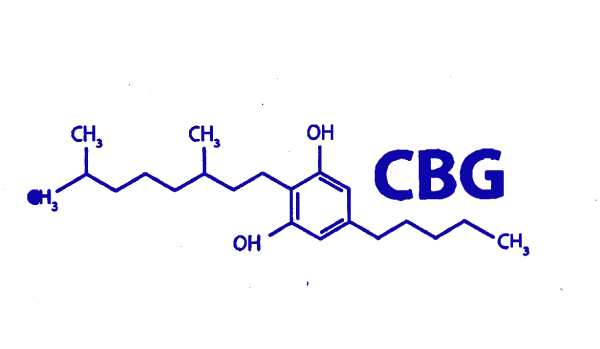
CBG (Cannabigerol):
The Cognitive Clarity & Neuroprotection Cannabinoid
What It Does: CBG is the “mother cannabinoid”—the biosynthetic precursor to CBD, THC, and CBC. Emerging research reveals CBG’s own powerful effects on cognitive function, neuroprotection, mood enhancement, and metabolic health.
The Clinical Evidence: CBG acts as an alpha-2 adrenoceptor agonist and 5-HT1A receptor antagonist, mechanisms distinct from classic cannabinoid receptor activation. In Huntington’s disease models, CBG treatment improved motor function and reduced neuroinflammatory markers. Multiple studies document CBG’s neuroprotective properties against oxidative stress—a core driver of neurodegeneration.
Research further shows CBG reduces inflammatory cytokines and reactive oxygen species in intestinal inflammation models, with potential applications for inflammatory bowel disease. For metabolic health, CBG promotes brown adipose tissue activity (calorie-burning fat) while improving insulin sensitivity.
How It Works: CBG’s neuroprotective mechanism appears to involve multiple pathways including PPAR activation, antioxidant gene expression, and modulation of excitotoxicity—the calcium-mediated neuronal damage underlying neurodegenerative diseases. This multi-target approach positions CBG as a comprehensive neuroprotective agent rather than a single-pathway tool.
Research-Backed Dosing: Typical energizing formulations include 20-30mg CBG per serving. Emerging neuroprotection studies suggest 15-25mg may provide cognitive and neurological support.
Best For:
- Mental clarity and cognitive focus
- Mood regulation and emotional resilience
- Neuroprotection and cognitive aging support
- Metabolic health and brown adipose tissue activation
- Complement to CBD and THC for broader benefit profiles
Product Examples: Typically 30mg CBG combined with 10mg THCV for balanced energy; also appears in 10-20mg doses in multi-cannabinoid formulations targeting cognitive support.
The Entourage Effect: Why Full-Spectrum Synergy Matters More Than Individual Cannabinoids
One of the most important discoveries in cannabis science is the entourage effect—the phenomenon where multiple cannabinoids and terpenes work together to produce effects far more powerful than any single compound alone.
The Science:
A landmark study from the Lautenberg Center for Immunology and Cancer Research directly compared CBD isolate to full-spectrum extract. The results were unambiguous: isolated CBD showed a bell-shaped dose-response curve (effective only at specific doses, then declining), while full-spectrum extract produced linear, continuous improvement across all dose ranges. In practical terms: full-spectrum products work better at every dose.
Israeli researchers studying terpene-cannabinoid synergy made an even more striking discovery: individual terpenes bind to CB1 receptors just like THC does, and when specific terpenes pair with THC, CB1 receptor activation increases significantly compared to THC alone. The most effective terpene-cannabinoid combinations weren’t necessarily the most abundant—suggesting intelligent formulation matters enormously.
Documented Synergistic Combinations:
| Cannabinoid Combination | Clinical Application | Evidence |
|---|---|---|
| CBD + CBC | Anti-inflammatory & pain relief | 40mg CBD + 20mg CBC showed clinically meaningful improvements in pain, anxiety, and QOL in 1,600-person trial |
| CBD + CBG | Brain tumor support & neuroprotection | Inactivates GPR55 signaling and Hippo pathway; pro-apoptotic effects superior to either alone |
| THCV + CBG | Energy & focus without anxiety | THCV provides clean activation; CBG supports mood and cognitive function; combination eliminates jitteriness |
| THC + CBD | Pain relief (neuropathic, cancer, MS) | THC+CBD combinations significantly outperform THC monotherapy; CBD buffers potential THC anxiety |
| CBD + Limonene (terpene) | Anxiety relief enhanced | Terpene-cannabinoid pairing increases anxiolytic potency |
| CBD + Caryophyllene (terpene) | Addiction recovery support | Emerging evidence for substance use disorder treatment |
Why Full-Spectrum Beats Isolate:
When manufacturers remove all compounds except pure CBD (CBD isolate), they eliminate the entourage effect entirely. The result: narrower benefits, less efficacy at higher doses, and—ironically—higher likelihood of side effects despite lower cannabinoid diversity. Full-spectrum extracts, despite containing <0.3% THC and multiple cannabinoids, deliver superior therapeutic outcomes because every compound enhances every other.
Bioavailability & Formulation: Why Not All Cannabinoid Products Are Equal
A critical but often overlooked factor: how well your body actually absorbs the cannabinoids you consume.
The Bioavailability Challenge:
Raw CBD has absurdly low bioavailability—less than 5%. Even when dissolved in carrier oils like MCT or sesame, bioavailability only reaches 6-13%. This means most raw CBD products deliver far less active cannabinoid to your bloodstream than the label suggests.
The Formulation Solution:
The most significant bioavailability improvements occur when lipophilic (fat-soluble) cannabinoids are encapsulated in advanced delivery systems: nano-emulsions, liposomes, micelles, or beta-cyclodextrin complexes. These formulations can increase bioavailability to 35%+ compared to raw oils.
The Food Effect:
A critical insight: bioavailability increases significantly when consumed with high-fat meals. This explains why many experienced users report better results when taking gummies with breakfast or dinner versus on an empty stomach.
What This Means for Product Selection:
When evaluating cannabinoid products, ask:
- Does the company use advanced delivery (nano-emulsion, liposome)?
- Are formulations stable and lab-tested for consistency?
- Does the product include complementary compounds (terpenes, other cannabinoids) for entourage effect?
- Are servings designed for absorption (with fats, appropriate timing)?
Formulation quality often matters more than raw milligram counts.
Targeted Cannabinoid Formulations:
Matching Products to Your Specific Wellness Goals
Different wellness needs require different cannabinoid ratios. Here’s how to select the right formulation for your outcome:

For Mood & Emotional Balance
Ideal Profile: 20mg CBD + 10mg CBC + 20mg CBG
Why: CBD provides proven anxiety relief; CBC adds anti-inflammatory mood support; CBG promotes emotional resilience
Expected Timeline: 30-60 minutes onset; 4-6 hours sustained effect
Usage: Ideal for morning or midday stress management

For Sleep Quality & Restoration
Ideal Profile: 25mg CBD + 25mg CBN
Why: CBD calms racing thoughts; CBN signals sleep onset; combination supports both falling asleep and staying asleep
Expected Timeline: 30-90 minutes to sleep onset; full effect over 2-3 hours
Usage: Evening-only; take 30-60 minutes before desired sleep time

For Energy & Mental Clarity
Ideal Profile: 10mg THCV + 30mg CBG
Why: THCV provides non-jittery activation; CBG enhances focus and cognitive function
Expected Timeline: 15-30 minutes onset; 4-6 hours sustained effect
Usage: Morning or early afternoon; avoid evening (energizing effect)

For Pain Relief & Comfort
Ideal Profile: 10mg Full-Spectrum Delta-9 THC + 20mg CBD
Why: Full-spectrum Delta-9 THC provides analgesic effects; CBD reduces inflammation
Expected Timeline: 60-90 minutes onset (edible); 6-8 hours sustained effect
Usage: Can be taken daily; adjust dose based on individual response

For Uplifted Relaxation & Stress Relief
Ideal Profile: 10mg Delta-8 THC
Why: Delta-8 THC delivers gentle euphoria and mood elevation; reduces stress without heavy sedation; promotes relaxed creativity and social ease
Expected Timeline: 30-60 minutes onset; 4-5 hours sustained effect
Usage: Early evening or social settings; perfect for unwinding after work while staying socially engaged and uplifted
Recommended Starting Doses for Beginners
| Cannabinoid | Beginner Dose | Expected Effect Onset | Duration |
|---|---|---|---|
| CBD | 10-20mg | 30-60 min | 4-6 hours |
| THCV | 2-5mg | 15-30 min | 3-5 hours |
| CBN | 10mg | 30-90 min (sleep) | 6-8 hours |
| THC | 2-5mg | 60-90 min (edible) | 6-8 hours |
| CBC | 10mg | 30-60 min | 4-5 hours |
| CBG | 10-15mg | 30-60 min | 4-5 hours |
Always start low and adjust upward based on individual response.
Complementary Wellness Practices: Maximizing Cannabinoid Benefits
Cannabinoids work best within a comprehensive wellness framework. Pair your product with these evidence-backed practices:
For Anxiety & Mood:
- Box breathing (4 counts in, 4 counts hold, 4 counts out)
- Regular meditation practice (even 10 minutes daily)
- Consistent sleep schedule (underpins mood stability)
- Regular movement/exercise (proven anxiolytic effect)
For Sleep:
- Screen curfew 60 minutes before bed (blue light suppresses melatonin)
- Consistent sleep schedule, including weekends
- Cool, dark bedroom (optimal temperature: 60-67°F)
- Avoid caffeine after 2pm
For Pain & Inflammation:
- Anti-inflammatory diet (Mediterranean pattern optimal)
- Gentle movement (yoga, walking, swimming)
- Stress management (chronic stress increases inflammatory markers)
- Adequate sleep (critical for inflammation regulation)
For Energy & Focus:
- Stable blood sugar (protein + fat + complex carbs at meals)
- Adequate hydration
- Strategic caffeine use (morning window only; synergizes with THCV)
- Physical movement (particularly pre-focus sessions)
Frequently Asked Questions
Yes, and strategically combining products can enhance results through the entourage effect. However, start conservatively—introduce one new cannabinoid at a time to understand individual response.
Most users experience initial effects within 30-60 minutes for gummies/edibles. Full therapeutic benefits often emerge over 2-4 weeks of consistent use as your endocannabinoid system upregulates receptors.
Full-spectrum hemp products contain <0.3% THC and generally won’t trigger positive results on standard workplace drug tests. However, CBD isolate is safest if avoiding any THC traces is critical.
No. Research shows cannabinoids have zero addiction potential—your body doesn’t develop physical dependence. You can discontinue use without withdrawal symptoms.
Potentially yes, but CBD inhibits CYP3A4 liver metabolism, affecting dozens of common medications. Always consult your healthcare provider before combining cannabinoids with pharmaceuticals.
Bioavailability varies significantly. Vaping provides fastest onset (15-20 min) but shorter duration. Advanced-formulation gummies with nano-emulsions rival tinctures for bioavailability. Capsules depend entirely on formulation technology. Higher bioavailability formulations matter more than delivery method.
PMC – Therapeutic potential of cannabidiol (CBD) in anxiety disorders (2024)
PMC – Cannabidiol in Anxiety and Sleep: A Large Case Series (2019)
PMC – Effects of CBD on social anxiety disorder (2015)
PMC – Cannabidiol as a Potential Treatment for Anxiety Disorders (2015)
BMJ Open – Cannabinol (CBN) effects on sleep protocol (2023)
PMC – Cannabidiol in Anxiety and Sleep case series outcomes
Journal of Cannabis Research – THCV metabolic effects (2024)
Clinical trial data – THCV relaxation and energy outcomes
Arvida Labs – THCV formulation guide (2025)
Orange County Cannabis Co – THCV dosing recommendations (2025)
Nature – Cannabinol sleep architecture study (2024)
PubMed – CBN safety and sleep disturbance outcomes (2024)
BMJ Open – CUPID study protocol CBN insomnia (2023)
PMC – Pain reduction with cannabis: scoping review (2020)
PMC – Neuropathic pain and spasticity outcomes (2025)
PMC – Rheumatoid arthritis THC:CBD combination trial
PMC – THC+CBD synergy for pain relief vs monotherapy
PMC – Cannabis pain management dosing protocols
CBD Mood Gummies – Cannabinoids 101 landmark 2024 trial
PubMed – CBC anti-inflammatory mechanism hemp (2023)
PMC – CBC therapeutic potential (2023)
PubMed – CBC and CBD combined anti-inflammatory effect (2023)
PMC – CBC anti-nociceptive properties (2023)
ScienceDirect – CBC pharmacological mechanism independent CB receptors (2010)
PMC – Cannabigerol comprehensive review (2024)
PMC – CBG neuroprotection and Huntington’s disease (2024)
Frontiers in Pharmacology – CBG therapeutic potential (2025)
PMC – CBG inflammatory bowel disease colitis model (2024)
PMC – CBG metabolic health brown adipose tissue (2024)
Multiple sources – CBG dosing ranges across applications
Fundacion Canna – Full-spectrum vs CBD isolate efficacy comparison
ACS Lab – Terpene synergy CB1 receptor activation study (2025)
CBD Mood Gummies – 1,600-person CBC+CBD clinical trial
PMC – Cannabigerol comprehensive review multi-target mechanisms
CBD Mood Gummies – THCV+CBG synergy formulation
Multiple sources – THC+CBD combination efficacy over monotherapy
Cannabis research – Terpene-cannabinoid synergistic combinations
PMC – CBD neuroprotection multiple pathways (2021)
Neurogan – Full-spectrum vs isolate entourage effect comparison
Drug Development – CBD bioavailability formulation technologies (2023)
ScienceDirect – Oral CBD delivery and bioavailability (2024)
PMC – 2024 Cannabis Clinical Outcomes Research Conference
Clinical Trials.gov – Active cannabinoid clinical trials THCV, CBN, multi-cannabinoid protocols
Ready to Transform Your Wellness Routine?
Explore our scientifically-formulated cannabinoid collection—each product engineered for specific wellness outcomes with clinical-grade precision and third-party verification.
From mood and anxiety support to restorative sleep, sustained energy, and pain relief, discover how targeted cannabinoid synergy can optimize your natural wellness.